Pull workout: Lat Pulldown, Seated Cable Row and 3 more
A pull day of 5 exercises and 15 working sets, built by a SPLYT user and published without their name. It takes about 35 minutes and uses cable, resistance band and bodyweight.
Most of the work goes to the lats (7 sets), biceps (3 sets), upper back (3 sets). It opens with lat pulldown and finishes with band vertical pallof press.
2 of the exercises are paired as supersets, done back to back before resting, which keeps the session shorter.
The routine
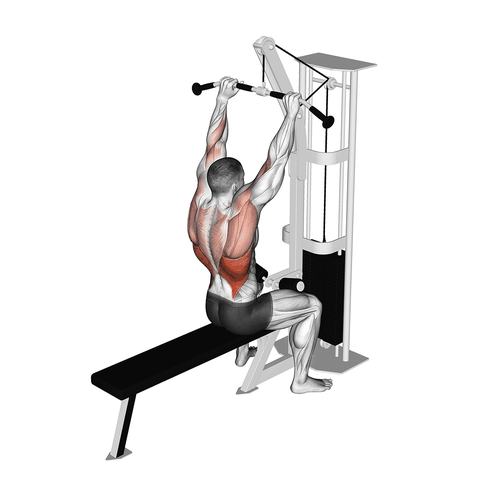 Lat PulldownLats
- Sets
- 4
- Reps
- 8–12
- Rest
- —
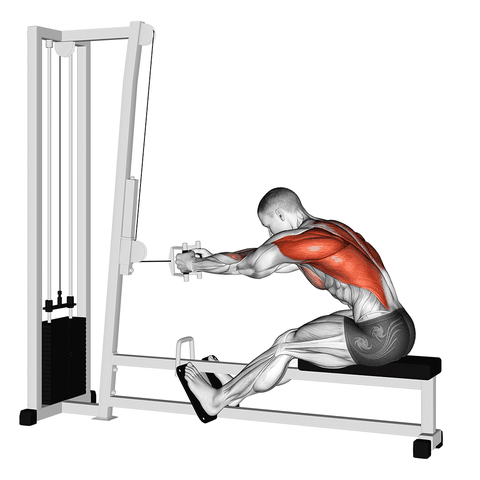 Seated Cable RowUpper back · superset
- Sets
- 3
- Reps
- 8–12
- Rest
- —
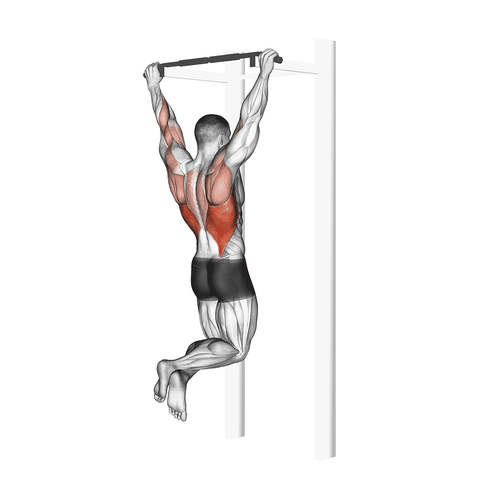 Pull-upLats
- Sets
- 3
- Reps
- 10
- Rest
- —
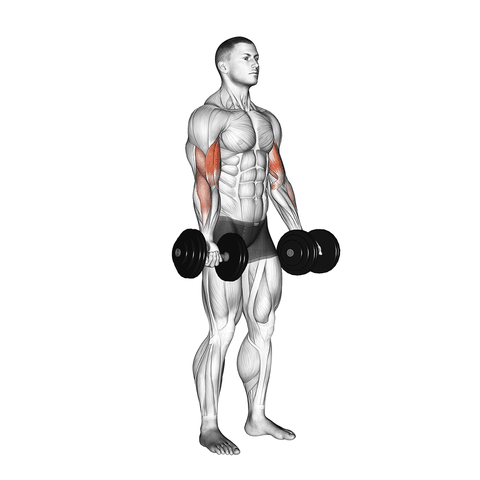 Bicep CurlBiceps
- Sets
- 3
- Reps
- 10
- Rest
- —
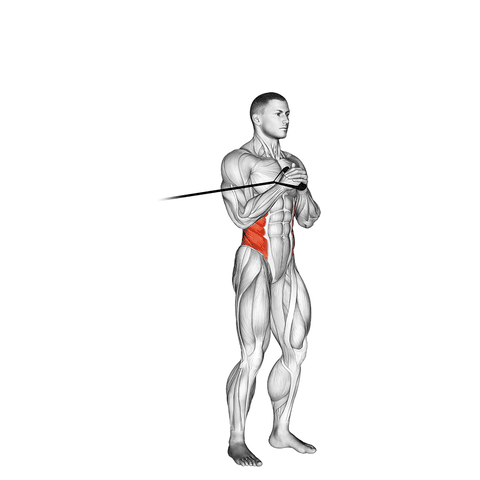 Band Vertical Pallof PressAbs · superset
- Sets
- 2
- Reps
- 10–12
- Rest
- —
Sets per muscle
15 working sets in total, counted by each exercise’s main muscle. Most people do 10 to 20 hard sets per muscle each week; the training volume calculator checks a whole week.
Equipment: Cable · Resistance band · Bodyweight · Dumbbell
Questions
How many sets is this pull workout?
15 working sets across 5 exercises: 4 of lat pulldown, 3 of seated cable row, 3 of pull-up, 3 of bicep curl and 2 of band vertical pallof press. Warm-up sets come on top.
What weight should I use?
Pick a weight you can lift for the target reps with one or two reps left in reserve. When every set reaches the top of the target, add the smallest jump your gym allows.
Can I save this routine in SPLYT?
Yes. Every exercise is in SPLYT’s library: build it as a template in the app, and SPLYT fills in your weights from what you lifted last time.
More routines
- Pull workout: Lat Pulldown, Cable Reverse-grip Straight Back Seated High Row and 8 more
- Back and Biceps workout: Pull-up, Barbell Bent Over Row and 5 more
- Upper Body workout: Lat Pulldown, Dumbbell Reverse Grip Incline Bench Two Arm Row and 7 more
- Chest and Back workout: Barbell Bench Press, Pull-up and 4 more
Save this routine in SPLYT
Every exercise here is in SPLYT’s library. Build it as a template, log your sets on iPhone or Apple Watch, and next time your weights are already filled in from what you lifted.