Upper back · Smith machine · Beginner
How to do Smith Narrow Row
The smith narrow row is a machine-based rowing exercise targeting the upper back, performed with a narrow grip to emphasize the upper back muscles and rear deltoids. It is performed on a Smith machine, which provides guided movement for added stability.
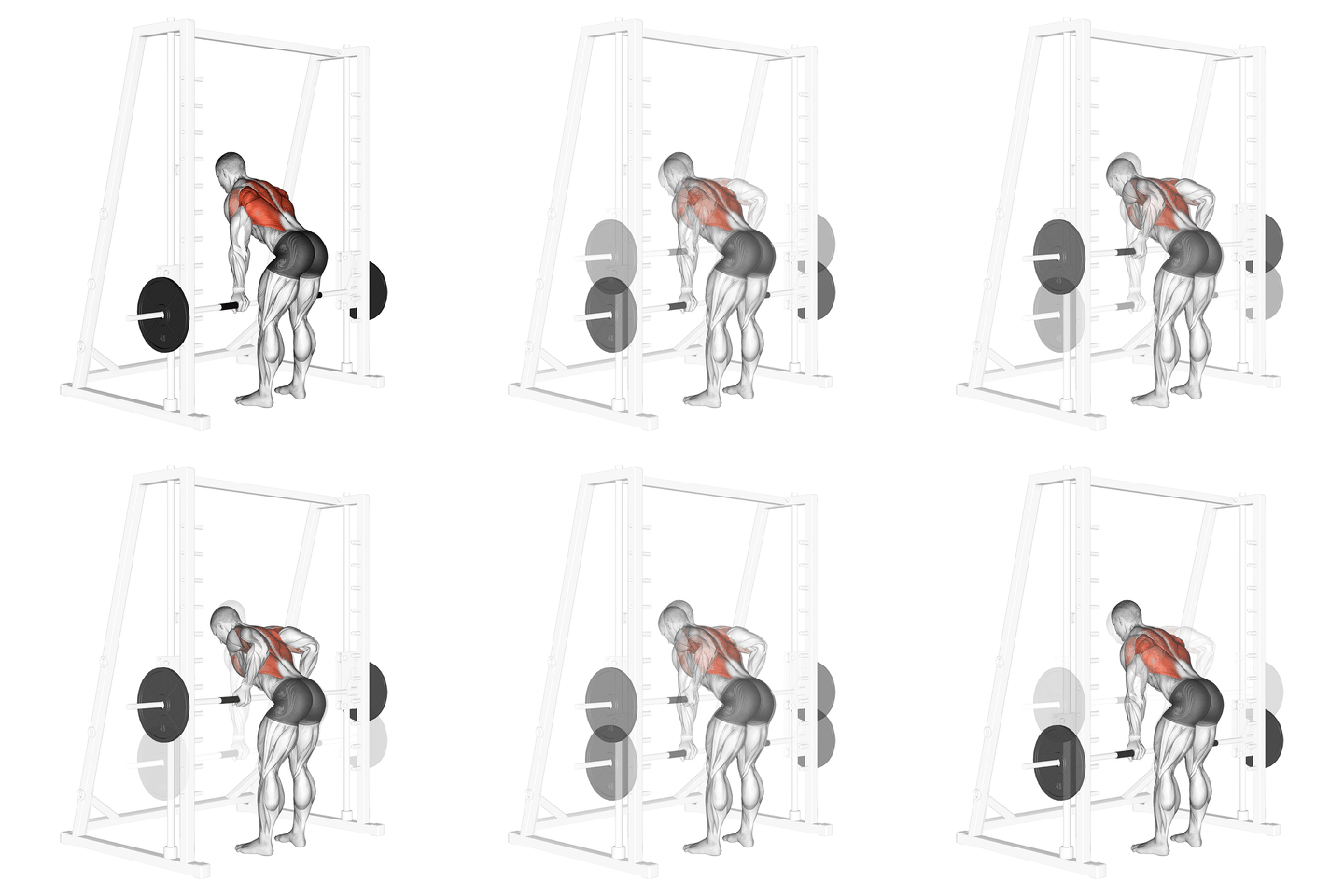
- Primary muscle
- Upper back
- Also works
- Biceps and Rear deltoids
- Equipment
- Smith machine
- Level
- Beginner
- Category
- Back
How to do Smith Narrow Row, step by step
- Adjust the seat height and position yourself on the machine with your feet flat on the floor.
- Grasp the handles with an overhand grip, slightly narrower than shoulder-width apart.
- Keep your back straight and your chest up as you pull the handles towards your body, squeezing your shoulder blades together.
- Pause for a moment at the peak of the movement, then slowly release the handles back to the starting position.
- Repeat for the desired number of repetitions.
Muscles worked
Smith Narrow Row works your upper back as the main mover, with help from your biceps and rear deltoids.
Track Smith Narrow Row in SPLYT
Smith Narrow Row is already in SPLYT’s exercise library. Log your sets, reps and weight on iPhone or Apple Watch, with last time’s weights already filled in.
More upper back exercises
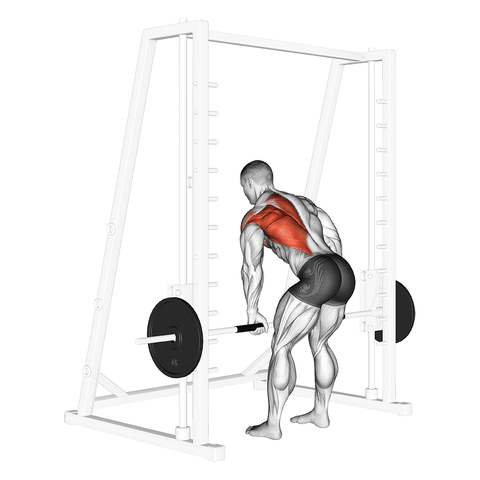 Smith One Arm RowUpper back · Smith machine
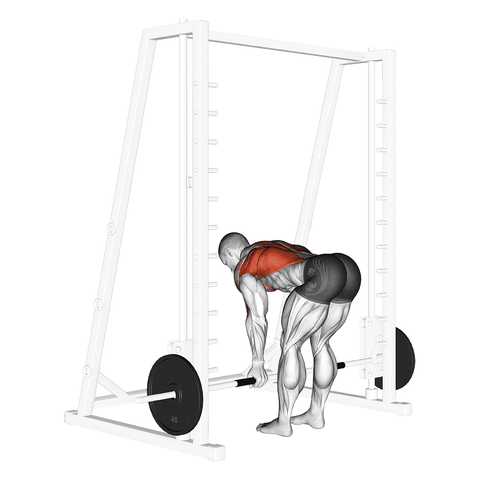 Smith Reverse Grip Bent Over RowUpper back · Smith machine
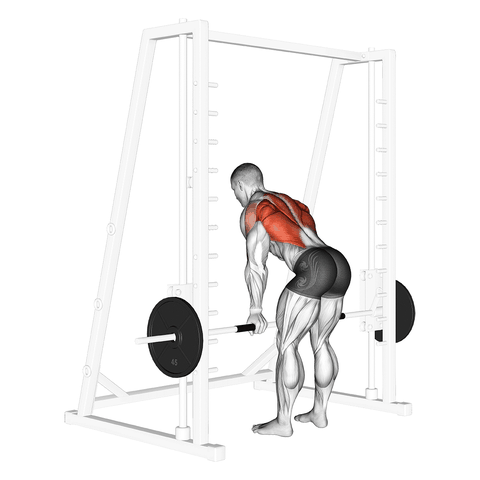 Simple Smith Narrow RowUpper back · Smith machine
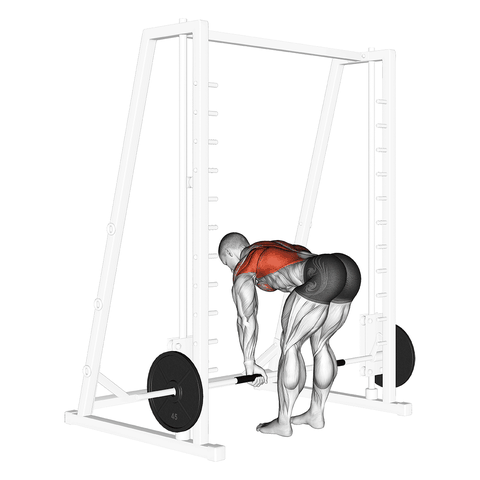 Smith Bent Over RowUpper back · Smith machine
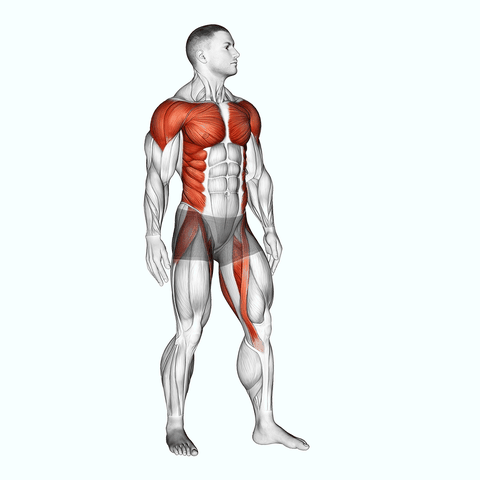 Standing ArcherUpper back · Body weight
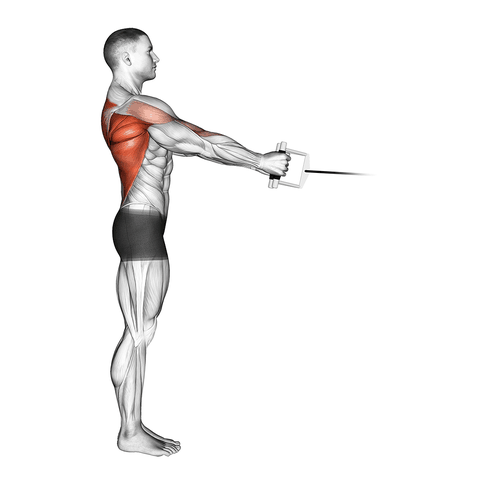 Standing Cable Row (V-bar)Upper back · Cable
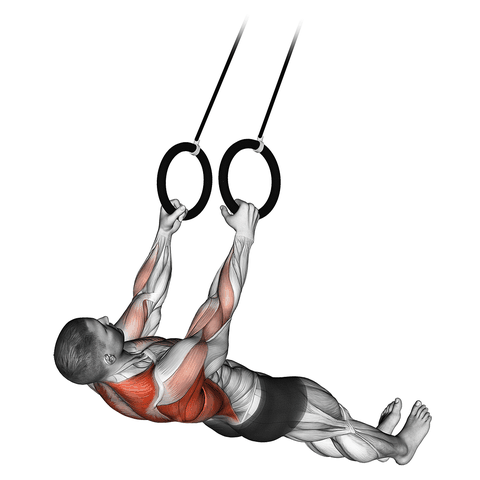 Suspended RowUpper back · Body weight
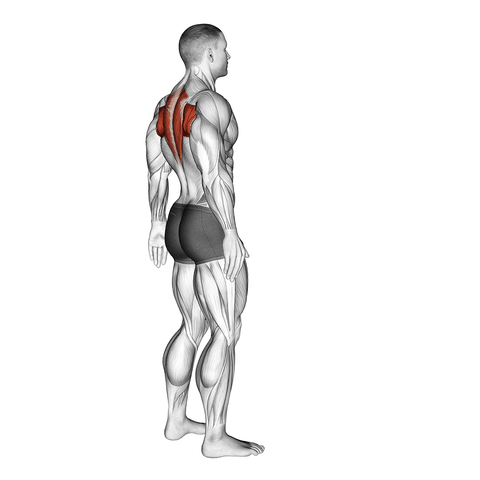 Upper Back StretchUpper back · Body weight
More with a smith machine
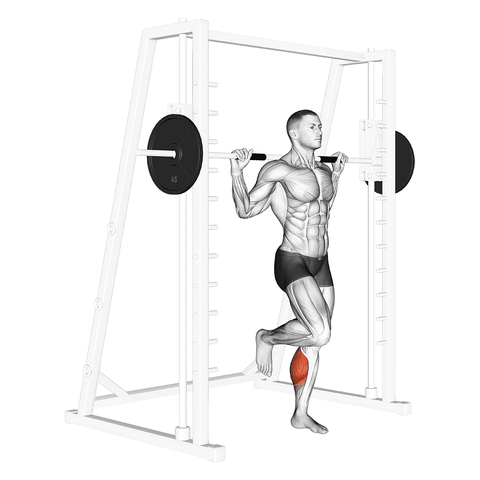 Smith One Leg Floor Calf RaiseCalves · Smith machine
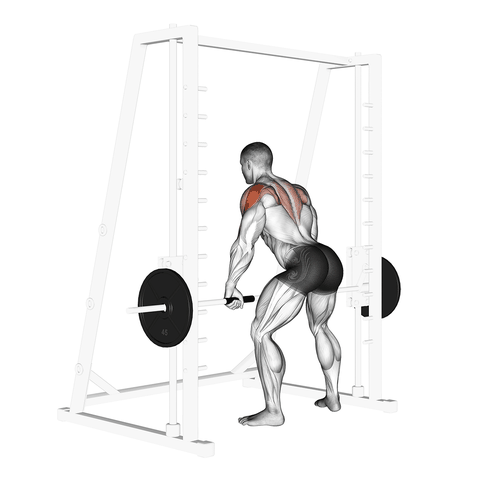 Smith Rear Delt RowShoulders · Smith machine
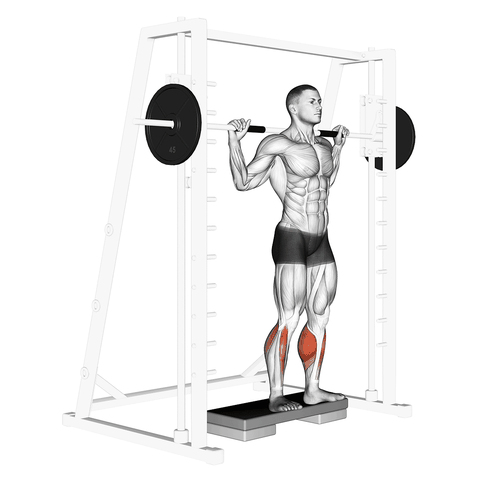 Smith Reverse Calf RaisesCalves · Smith machine
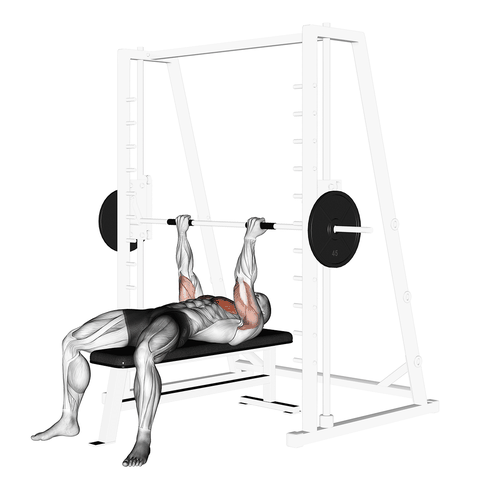 Smith Reverse-grip PressChest · Smith machine
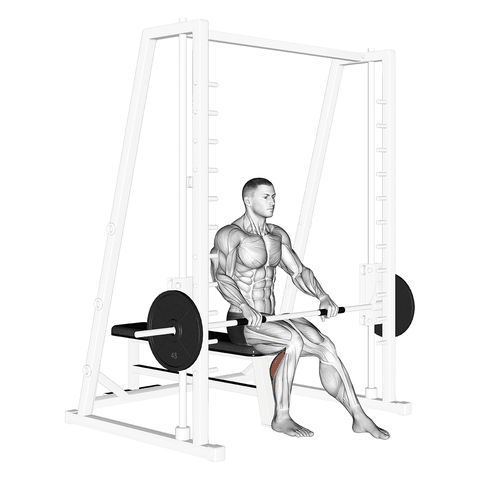 Smith Seated One Leg Calf RaiseCalves · Smith machine
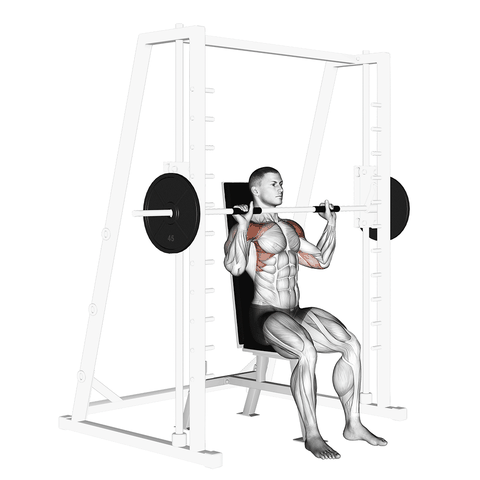 Smith Seated Shoulder PressShoulders · Smith machine
Every smith machine exercise → · The full exercise library →