Lever Seated Reverse Fly alternatives
The best alternative to the Lever Seated Reverse Fly is the Dumbbell Reverse Fly: each arm works on its own, so a stronger side can’t cover for a weaker one, and you get a little more range of motion.
The Lever Seated Reverse Fly is a rear delt movement: pulling the arms back and apart, which trains the rear delts and the muscles between the shoulder blades. Every swap below keeps that movement and the same main muscle, so it can take the Lever Seated Reverse Fly’s place in your workout with the same sets and reps. They’re grouped by the equipment they need.
Lever Seated Reverse Fly alternatives with dumbbells
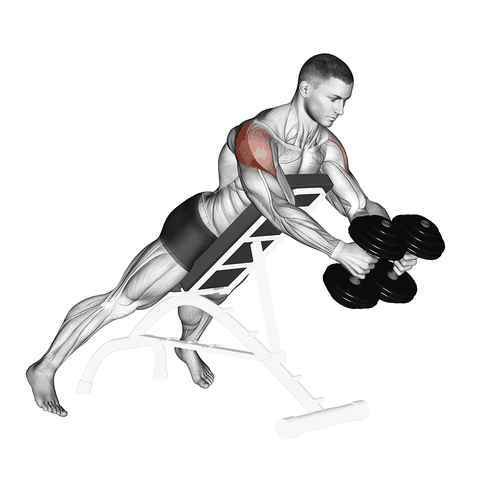
Dumbbell Reverse Fly
Each arm works on its own, so a stronger side can’t cover for a weaker one, and you get a little more range of motion.
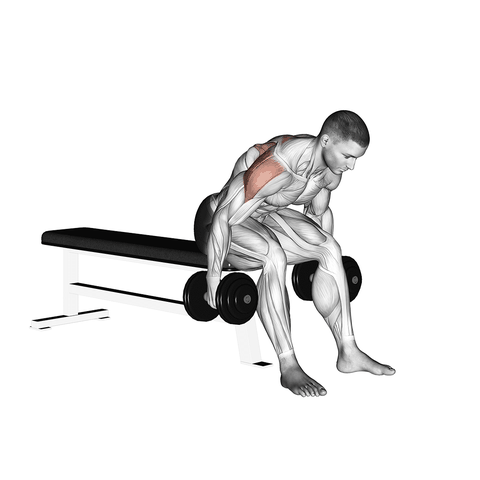
Dumbbell Rear Fly
Needs only a pair of dumbbells, and each side has to pull its own weight.
Lever Seated Reverse Fly alternatives with resistance bands
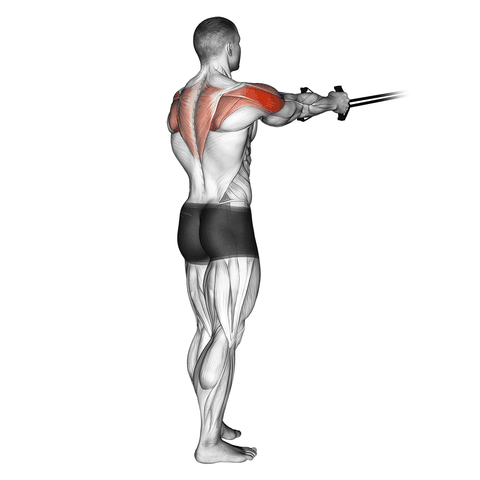
Band Reverse Fly
Resistance climbs as the band stretches, so the rep is hardest where you’re strongest, and the band fits in a bag.
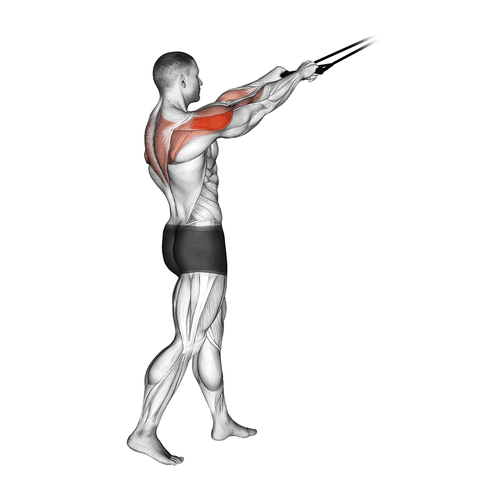
Band Standing Rear Delt Row
A band version for home or travel; choke it shorter to make it harder. Here, standing makes your core and legs hold you steady.
Lever Seated Reverse Fly alternatives on a cable machine
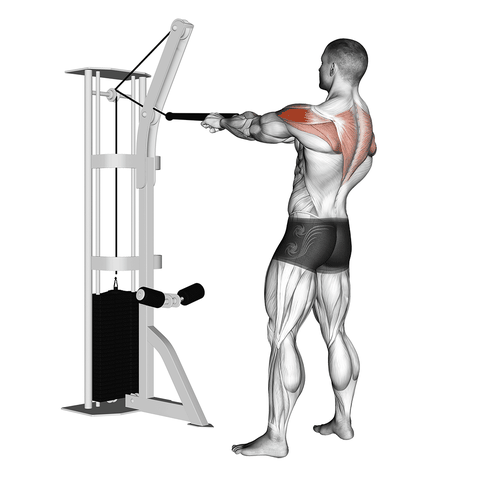
Face Pull
The cable keeps tension on the muscle through the whole rep, including the end where free weights go slack.
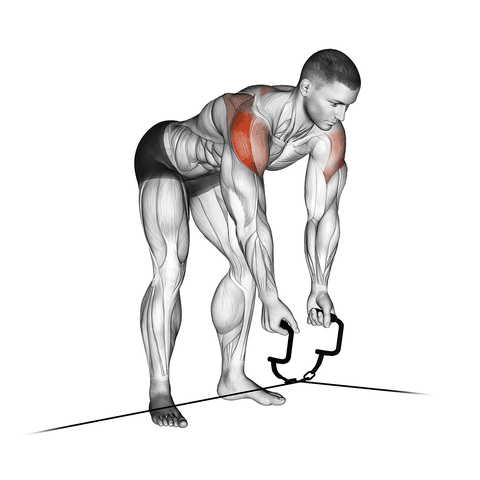
Cable Cross-over Reverse Fly
On the cable stack, so the weight changes in small steps and the tension never drops off.
Lever Seated Reverse Fly alternatives on a machine
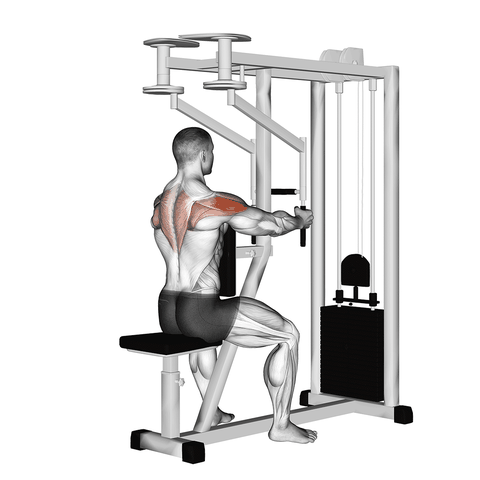
Lever Seated Reverse Fly (Parallel Grip)
The neutral grip is easier on the wrists and elbows.
Lever Seated Reverse Fly alternatives with a barbell
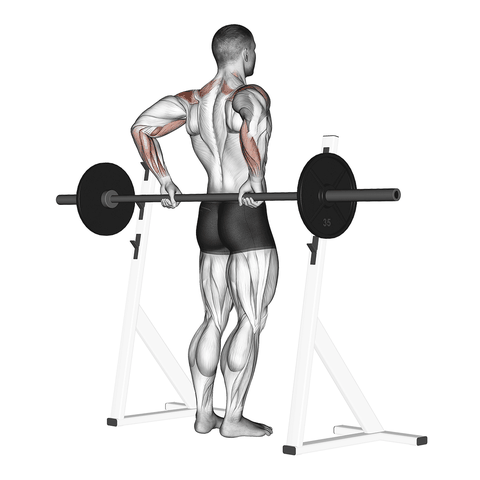
Barbell Rear Delt Raise
Both hands share one bar, so you can load the most weight and add it in small jumps.
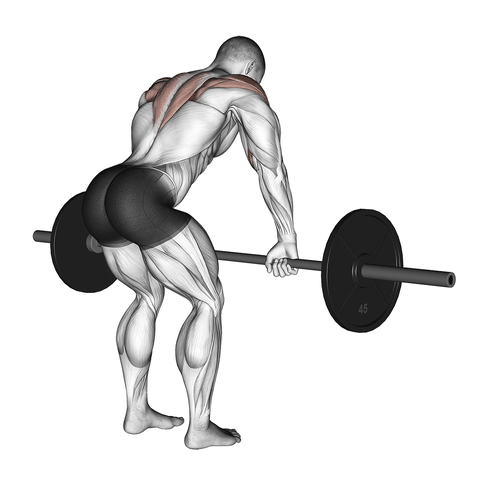
Barbell Rear Delt Row
A barbell version you can load heavy and track week to week.
Lever Seated Reverse Fly alternatives on a Smith machine
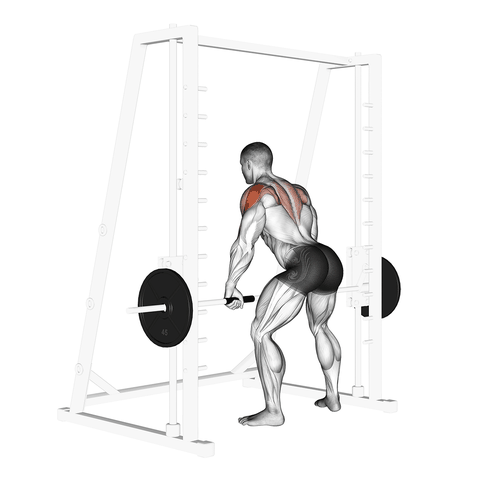
Smith Rear Delt Row
The bar runs on rails, so you can load it heavy and stop anywhere without a spotter.
How to swap it in
Use the substitute in the same slot, for the same sets and rep range you used on the Lever Seated Reverse Fly. Start a little lighter for the first session while you learn the new movement, then add weight or reps each week. Stick with one swap for a few weeks so you can see whether you’re getting stronger.
Need the original? How to do the Lever Seated Reverse Fly, step by step →
Questions
What is the best alternative to the Lever Seated Reverse Fly?
The Dumbbell Reverse Fly is the closest swap: it’s the same rear delt movement and trains the same shoulder. Each arm works on its own, so a stronger side can’t cover for a weaker one, and you get a little more range of motion.
What can I do instead of the Lever Seated Reverse Fly at home?
Band Reverse Fly, Band Standing Rear Delt Row, Dumbbell Reverse Fly and Dumbbell Rear Fly all work with a pair of dumbbells or a band and keep the same movement: pulling the arms back and apart, which trains the rear delts and the muscles between the shoulder blades.
What muscles should a Lever Seated Reverse Fly alternative work?
The Lever Seated Reverse Fly works your delts, trapezius and rhomboids. A good substitute keeps the movement the same, pulling the arms back and apart, which trains the rear delts and the muscles between the shoulder blades, so the same muscles do the work even if the equipment changes.
Can I replace the Lever Seated Reverse Fly completely?
Yes. Pick one substitute from the list and give it the same sets and rep range, then add weight or reps week to week the way you would have on the Lever Seated Reverse Fly. Switching back and forth every session makes progress harder to see.
Track Lever Seated Reverse Fly in SPLYT
Lever Seated Reverse Fly is already in SPLYT’s exercise library. Log your sets, reps and weight on iPhone or Apple Watch, with last time’s weights already filled in.